Reading Guide
Buying wholesale phones in bulk for U.S. resale sounds like a gold rush—until your shipment lands with half the screens cracked, batteries puffed up like marshmallows, and customs waving red flags. It’s not just about snagging a deal; it’s about dodging landmines that can burn your margins and bruise your reputation.
One Miami-based distributor told us bluntly, “You don’t make money fixing mistakes—you make money buying smart.” And he’s right. With 78% of bulk buyers reporting quality issues (IDC Mobile Market Report, 2023), diving in without knowing what to check is like buying a used car off Craigslist… at night… during a storm.
This guide? It’s your flashlight. We’re talking real-deal tips: spotting shady grading tricks, decoding import docs before they bite you later, and making sure what you buy actually sells stateside—not just sits there collecting dust and regrets.
Reading Notes for Wholesale Phones in Bulk for U.S. Success
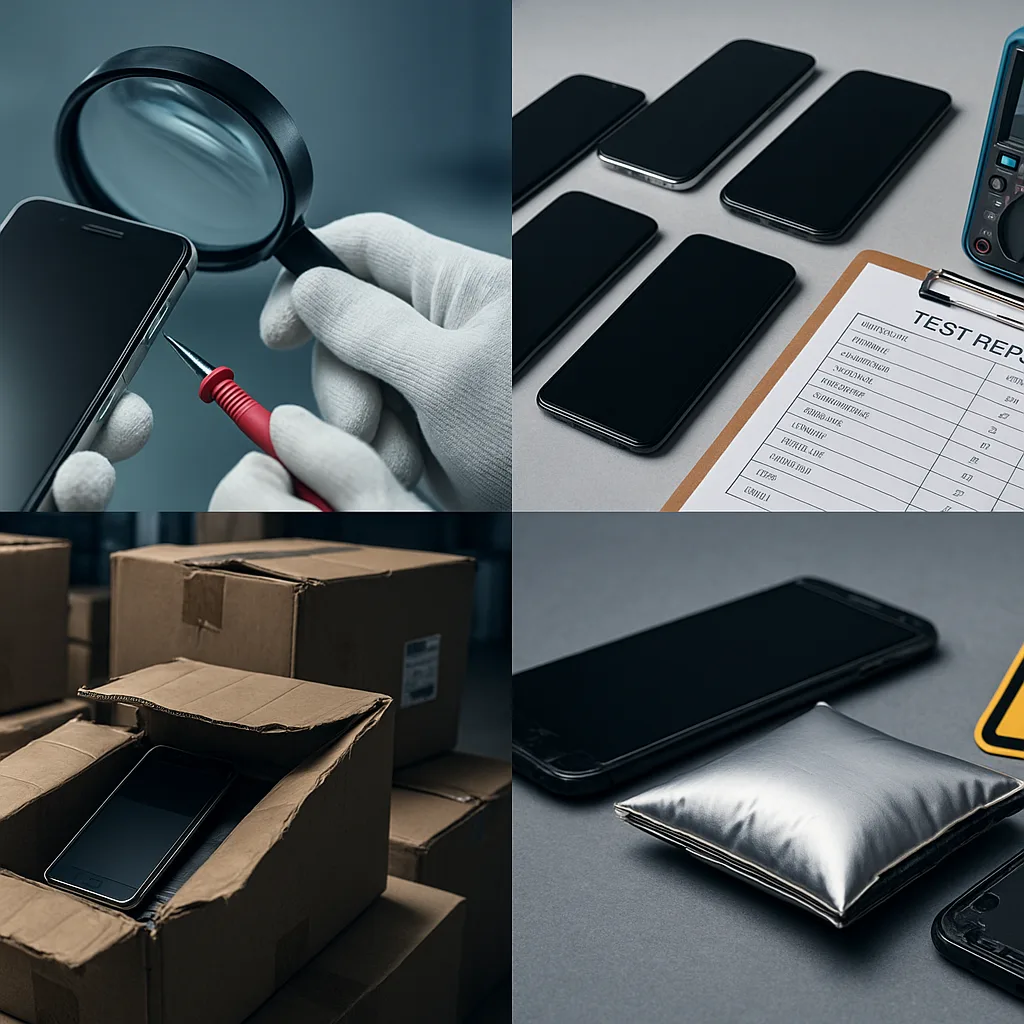
→ Top Defects to Watch: Battery wear, screen malfunctions, and software bugs are the leading issues in refurbished smartphones—know them before you commit.
→ Why Resellers Say No: Around 60% of U.S. resellers reject bulk used phones due to quality inconsistencies, missing accessories, or misleading grading.
→ Grading Gaps Matter: “Tested” doesn’t mean “fully functional.” Learn the difference to avoid costly surprises post-purchase.
→ Legal Pitfalls Ahead: Ensure devices aren’t blacklisted and that ownership rights hold up under U.S. scrutiny—no paperwork, no peace of mind.
→ Import Compliance Counts: Prepare import documents like commercial invoices and FCC declarations; customs won’t play nice without them.
→ Tariff Awareness = Smarter Margins: Know your HS codes and tariff brackets so you don’t lose profit at the border.
→ Bulk Power in Negotiation: Leverage volume purchases to drive down price per unit—and don’t be shy about bundling grades for extra savings.
→ Time Your Buys Right: Align procurement with seasonal demand (think back-to-school or holiday spikes) to flip inventory faster stateside.
78% Of Buyers Report Quality Issues In Wholesale Phones In Bulk Orders
Not all bulk deals are sweet steals—hidden defects and inconsistent grading plague many high-volume purchases.
Top Defects in Refurbished Smartphones: What Buyers Should Know
If you’re eyeing a batch of refurbished smartphones, here’s what usually trips up buyers:
- Battery problems like fast drainage, swelling, or inaccurate charge levels often top the complaint list.
- Cracked or unresponsive displays are frequent screen issues, even when devices are labeled “Grade A.”
- Cosmetic wear—scratches, dents, and faded logos—can lower resale value, especially for retail resellers.
- Outdated or buggy firmware leads to frustrating software glitches, often requiring manual intervention to fix.
- Faulty buttons and broken cameras sneak through less rigorous testing processes.
- Microphone and speaker malfunctions reduce device usability but may go unnoticed during basic inspections.
These flaws don’t just annoy—they cost time, money, and customer trust when flipping phones sourced through bulk channels.
Why 60% of U.S. Resellers Reject Used Phones
Resellers across the U.S. have a sharp eye—and low tolerance—for poor quality:
• They’re picky about performance; anything with laggy UI or failing sensors gets tossed immediately.
• Cosmetic flaws? Sure, some tolerate light scuffs—but cracked backs or chipped corners kill the deal fast.
• Many demand full diagnostic reports before even considering a lot of used phones.
According to IDC’s Mobile Device Lifecycle Trends Q1 2024 report, “Over half of U.S.-based mobile resellers now require verified battery health scores above 85% before accepting pre-owned units.”
That explains why so many shipments get rejected outright—if you’re planning to buy for resale within the States, make sure those quality boxes are ticked before committing cash.
Fully Functional vs Tested Devices for Bulk Acquisition
Understanding this difference could save you thousands on your next pallet:
Step 1: Check if your supplier defines “tested” as merely powering on the phone—many do just that and nothing more.
Step 2: Ask whether functions like Wi-Fi connectivity, SIM detection, Bluetooth pairing, and camera activation were checked individually.
Step 3: Compare pricing between “tested” and “fully functional.” The latter should come with guarantees that all features work under normal use conditions—not just boot-up success.
Step 4: For large-scale orders involving wholesale lots headed toward U.S.-based distribution points, always request a sample batch first to verify claims match reality.
Step 5: Lock down return terms in writing. If something goes sideways post-delivery, you’ll need leverage backed by clear definitions—not vague promises.
This subtle distinction between labels can mean the difference between profit and refund disputes after delivery hits your warehouse floor.
Common Flaws in Graded Handsets Affecting Large-Scale Buying
Even “Grade A” handsets can carry baggage:
Some show micro-scratches invisible until tilted under light—a pain if you’re selling online with zoomable product photos. Others might pass basic tests but choke under real-world use due to overlooked internal wear like degraded NAND storage chips or worn-out charging ports.
Then there’s inconsistent grading across suppliers—what one vendor calls Grade B might look more like Grade C elsewhere. That makes it risky when buying blind at scale without standardized inspection criteria baked into your sourcing process.
Bottom line? Don’t let shiny outer shells fool you—the true condition lives beneath the surface.
Legal Checks Before Buying U.S. Wholesale Phones
Before grabbing deals on bulk phones for resale, make sure you’re legally covered from every angle—ownership, customs, tariffs, and compliance all matter more than you think.
Classification of Graded Handsets Under U.S. Law
Understanding how graded handsets are classified under U.S. law is key when importing or reselling used devices at scale.
- A/B/C grading isn’t just cosmetic—it can affect import classification codes.
- Devices labeled as “refurbished” may need different declarations than “used” ones.
- Compliance with FCC labeling rules is a must for any resale within the States.
- Mislabeling grade level can result in seizure or fines at customs checkpoints.
- Always document device condition using standardized industry terms accepted by U.S. authorities.
Grading isn’t just about scratches—it’s a legal identifier that shapes your path through customs and taxes when dealing with wholesale phones in bulk for U.S. resale markets.
Required Documentation for Mass Quantities Import
Bringing large quantities of devices across borders? You’ll need your paperwork tight if you want smooth sailing through customs regulations and avoid delays or penalties.
🗂️ Key Documents to Prepare:
• Commercial Invoice – itemized list including IMEI numbers and declared value
• Packing List – detailed count of units per box/pallet/shipment ID
• Bill of Lading – issued by the carrier to confirm delivery agreement terms
• Importer Number – often your IRS EIN or Social Security number
📄 Optional but Smart:
• FCC compliance certificate if applicable
• CBP Form 3461 for pre-clearance filing
Getting these ducks in a row saves time—and keeps your name off the red flag list when moving large batches of gear into the country.
Ensuring Ownership Rights in Wholesale Acquisition
Ownership disputes can get ugly fast—especially when you’re buying thousands of units at once without checking the fine print on who really owns them.
Short segments:
– Confirm chain-of-title: Make sure sellers have proof they own what they’re selling—this means invoices, contracts, and unlocked status records tied to each device’s IMEI number.
– Use contracts that spell out liability: If there’s a stolen phone buried among your shipment, you don’t want to be left holding the bag legally—or financially.
– Conduct due diligence: Run random IMEI checks through GSMA databases before finalizing payment on any large order involving secondhand phones or returns stocklots.
When acquiring wholesale phones, skipping proper title verification is like buying a car without checking if it was stolen—you might not get burned today, but eventually someone will come knocking.
Navigating Tariffs in the American Market
Importing electronics like mobile devices into North America isn’t just about shipping costs—tariffs can sneak up on you and wreck your profit margins fast if you’re not prepared for them upfront.
Grouped bullets:
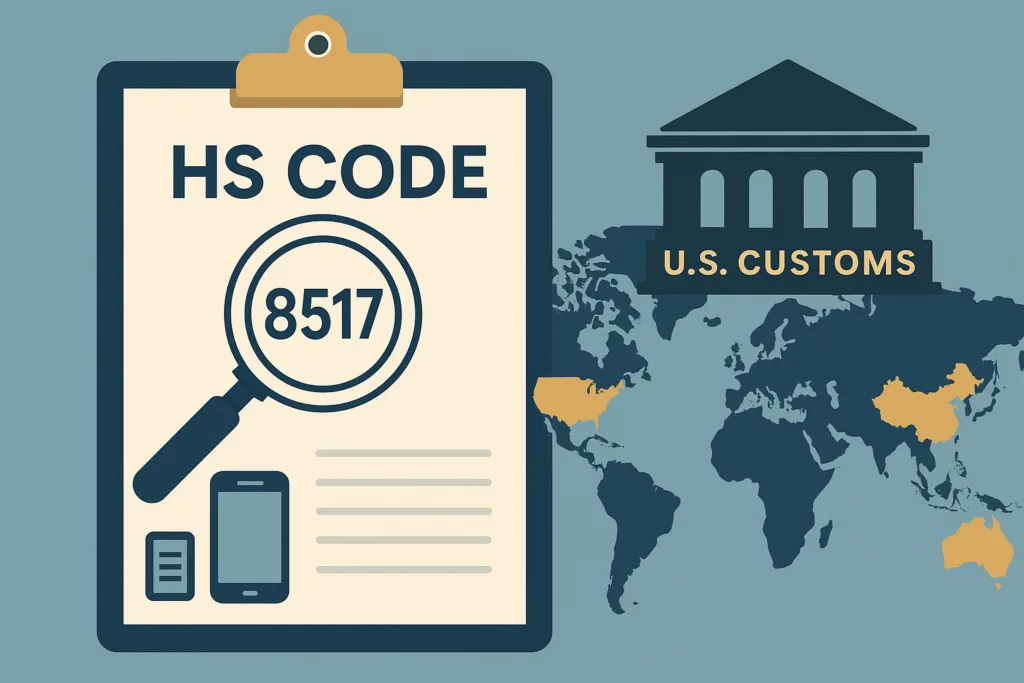
🔍 Know Your HS Codes:
– Harmonized System codes determine tariff rates; smartphones typically fall under code 8517 series.
– Misclassification leads to incorrect duty charges—or worse, shipment rejections by CBP agents.
– Double-check whether your goods qualify as “information technology products,” which may be exempt under certain trade agreements like USMCA or WTO ITA rules.
💸 Understand Duty Rates:
– Most smartphones from countries like Vietnam or Mexico may enter duty-free under current trade pacts.
– Devices imported from China still face Section 301 tariffs ranging from 7%-25%, depending on product type and political updates post-pandemic recovery cycles.
– Accessories bundled with phones could trigger additional taxes unless itemized separately on invoices.
📊 Tariff Impact Table:
| Country of Origin | Typical HS Code | Base Duty Rate | Tariff Exceptions |
|---|---|---|---|
| China | 8517.12 | Up to 25% | None currently |
| Vietnam | 8517.12 | 0% | USMCA-equivalent deal |
| Mexico | 8517 Series | Usually Free | Must meet rules-of-origin |
Tariffs aren’t just numbers—they’re strategic variables that shape how competitive you stay while sourcing mobile tech at scale within U.S.-based channels like retail refurbishers or online marketplaces such as phonestocks.
4 Negotiation Strategies For Wholesale Phones In Bulk
Smart buying isn’t just about numbers—it’s about timing, product condition, and how you pitch the deal.
Leverage Bulk Quantities to Negotiate Lower Prices
When you’re buying wholesale phones in serious volume, quantity becomes your biggest ally at the bargaining table:
- Bulk Quantities let you ask for better Volume Discounts—the more units you commit to, the lower your Price Per Unit.
- Sellers often offer tiered pricing based on order size. Push for that next tier if you’re close.
- Use large orders as leverage to request extras like expedited shipping or waived fees.
- Don’t forget: consistent repeat orders can unlock deeper discounts over time.
- Ask vendors if they offer “loyalty pricing” or special rates for high-volume buyers.
Even if you’re new in the game, showing intent with bulk purchases gives you more room to push hard on pricing.
Highlight Fully Functional Features to Strengthen Your Position
Buyers and sellers both know that quality counts—but how you frame that quality can tip negotiations your way.
• Emphasize that all devices are Fully Functional, tested, and meet U.S. standards—this makes them easier and faster to flip.
• Talk up key Features, especially popular ones like Face ID or 5G compatibility; these add perceived value fast.
• If you’re reselling in specific regions of the U.S., highlight compatibility with local carriers—that adds real-world utility.
Mentioning things like battery health above 85% or scratch-free screens? That’s gold during price talks. It supports a stronger Value Proposition, making your offer harder to beat without lowering price expectations too far.
Align Purchase Timing with U.S. Market Demand
Timing’s everything when it comes to grabbing deals on phones—and selling them fast after.
Step 1: Watch major carrier upgrade cycles in the U.S.—they usually trigger spikes in secondhand demand a few weeks later.
Step 2: Keep tabs on seasonal trends like back-to-school and holiday shopping windows using basic Market Analysis tools.
Step 3: Plan buys around low-demand months when suppliers are sitting on excess inventory—they’ll be way more flexible then.
Step 4: Tweak your strategy based on past sales data and ongoing Demand Forecasting so you’re never stuck holding dead stock.
Syncing your moves with actual U.S. buying patterns means better margins—and fewer headaches managing stale inventory.
Bundle Graded Handsets to Maximize Cost Savings
Mixing phone conditions into bundles can help stretch every dollar further while still keeping resale options wide open:
📦 Group A-grade units with minor scuffs alongside pristine ones—you’ll get better overall pricing from suppliers looking to offload mixed lots.
📦 Use varied-condition bundles as an upsell strategy when reselling; not everyone needs a mint-condition device, especially in budget markets across the U.S.
📦 Ask vendors if they offer pre-made bundles of different grades—these often come at a discount compared to cherry-picking individual units.
Tapping into this bundling tactic lets you optimize for both cost efficiency and wider appeal when flipping refurbished phones stateside—all while staying nimble in an ever-shifting market for bulk mobile tech deals.
FAQs about Wholesale Phones in Bulk for U.S.
What are the most common defects found in refurbished smartphones?
Refurbished phones can look great on the outside, but under the surface, things often go wrong. The battery might drain faster than expected. Screens sometimes flicker or show ghost images. A few units arrive with subtle body damage—scratches that tell stories of past owners. And then there’s software: glitches that freeze apps or outdated systems that feel like stepping back five years.
Why do 60% of U.S. resellers reject second-hand mobile phones?
- Many devices come locked to foreign carriers and can’t be activated locally
- Some have missing parts or unresponsive features (like cameras or fingerprint sensors)
- Cosmetic wear may be too severe for retail shelves
- Blacklisted IMEIs make them unsellable
Resellers need reliability—they’re not just buying a phone; they’re buying trust from their customers.
How can I ensure ownership rights when buying wholesale phones in bulk for U.S. import?
Ask questions before money changes hands. Request an official IMEI report—it’ll reveal if a device is stolen, blacklisted, or still tied to someone else’s account. Sellers should also provide clear proof they legally own what they’re selling: invoices, transfer records, anything traceable and verifiable.
What’s the difference between “tested” and “fully functional” devices during mass procurement?“Tested” sounds reassuring—but it usually means someone turned it on and checked basic functions like power-up and screen response. That doesn’t guarantee Wi-Fi works properly…or if Face ID recognizes anything at all.“Fully functional,” though—that’s your gold standard:
- All hardware components pass diagnostics
- Software runs smoothly without bugs
- No surprise issues after activation
In bulk deals where every unit counts toward profit margins, this distinction matters more than you think.
Which documents are required to import mass quantities of pre-owned devices into the USA region?You’ll need:
- A commercial invoice listing model numbers and declared value per item
- Bill of lading from your shipping provider (air freight or ocean cargo)
- FCC compliance paperwork if applicable based on device specs
And don’t forget documentation proving legitimate ownership—it could save you weeks stuck at customs.
Can bundling graded handsets reduce costs during a wholesale purchase?Absolutely—and smart buyers know how to play this card well.Mixing Grade B with C-grade stock lets suppliers offload inventory while giving you better pricing tiers overall.Yes—some units will have scuffs or weaker batteries—but there’s always demand among budget-conscious shoppers who care more about function than flawless looks.It’s not cutting corners; it’s knowing your market intimately enough to meet people where they are financially—and still turn a decent profit doing so.